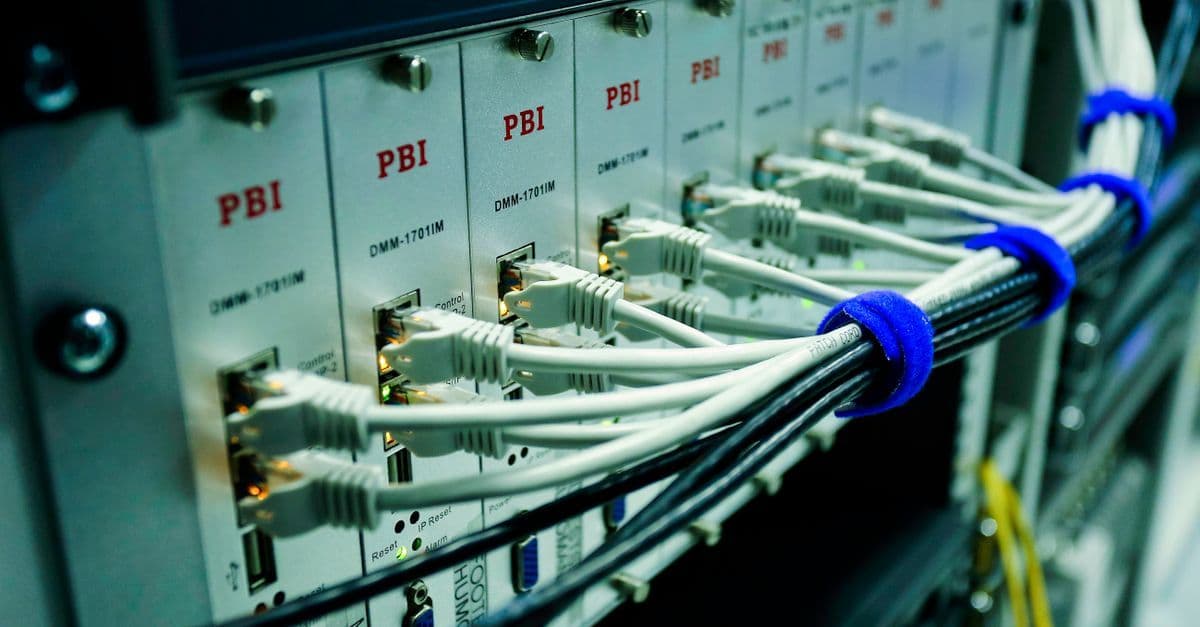
As the United Arab Emirates continues its trajectory as a global hub for technology, commerce, and innovation, enterprises operating in Dubai and Abu Dhabi require an IT backbone that can keep pace with rapid digital expansion. Modern office environments demand seamless communication across cloud services, video conferencing systems, IoT automation, and security monitoring. To achieve this level of performance, organizations must move away from disorganized point-to-point wiring and embrace standardized structured cabling.
Understanding the Architecture of Structured Cabling
Structured cabling is a comprehensive design methodology for physical telecommunication infrastructure. Rather than running isolated cables directly from devices to switches, a structured system organizes wiring into distinct, manageable subsystems. This includes main distribution frames (MDF), intermediate distribution frames (IDF), horizontal cabling runs, patch panels, and standardized workspace outlets.
By establishing a uniform pathway for data, voice, and video transmission, businesses in commercial districts like Business Bay in Dubai or Al Maryah Island in Abu Dhabi create an environment where upgrades, maintenance, and expansions can be executed with minimal operational disturbance.
Why UAE Businesses Need a Standardized Cable Infrastructure
The pace of commercial enterprise in the UAE leaves zero tolerance for network downtime. Legacy network setups often lead to untraceable cable clutter, interference, and unexpected signal degradation. A professionally deployed cabling architecture resolves these bottlenecks through several key advantages:
- Enhanced Bandwidth and Speed: Utilizing high-grade copper cables like Cat6A alongside multi-mode or single-mode fiber optic backbones guarantees that your infrastructure supports high-speed data transmission without signal loss.
- Operational Scalability: Whether your organization is expanding inside Dubai Internet City or opening new regional headquarters in Abu Dhabi, structured systems allow quick additions of new workstations, servers, or access points without re-wiring existing layouts.
- Rapid Fault Isolation: Organized patch panels and standardized labeling mean technical teams can instantly identify connection issues, cutting down diagnostic time significantly.
- Support for Smart Office Technologies: From modern IP telephony and high-definition CCTV to Power over Ethernet (PoE) devices and access control systems, a robust cabling framework supports diverse enterprise hardware.
Future-Proofing Your Office Space
Adopting high-capacity network cabling is an investment in long-term operational resilience. As digital transformation initiatives accelerate across Dubai and Abu Dhabi, companies must prepare for rising data volumes generated by artificial intelligence tools, high-density Wi-Fi deployments, and enterprise cloud migration.
At Codeeotech, we recognize that building a reliable technology ecosystem starts at the foundational layer. By implementing future-ready cabling solutions—such as shielded cables to mitigate electromagnetic interference in high-density office towers or high-bandwidth fiber optic trunks for cross-floor backbones—enterprises safeguard their IT investments for years to come.

Conclusion
In the dynamic corporate markets of Dubai and Abu Dhabi, robust network connectivity is the foundation of business success. Transitioning to a clean, standardized structured cabling system provides the speed, reliability, and agility required to stay competitive across the UAE. Investing in physical network infrastructure today ensures your enterprise remains connected, adaptable, and prepared for whatever technological innovations come next.