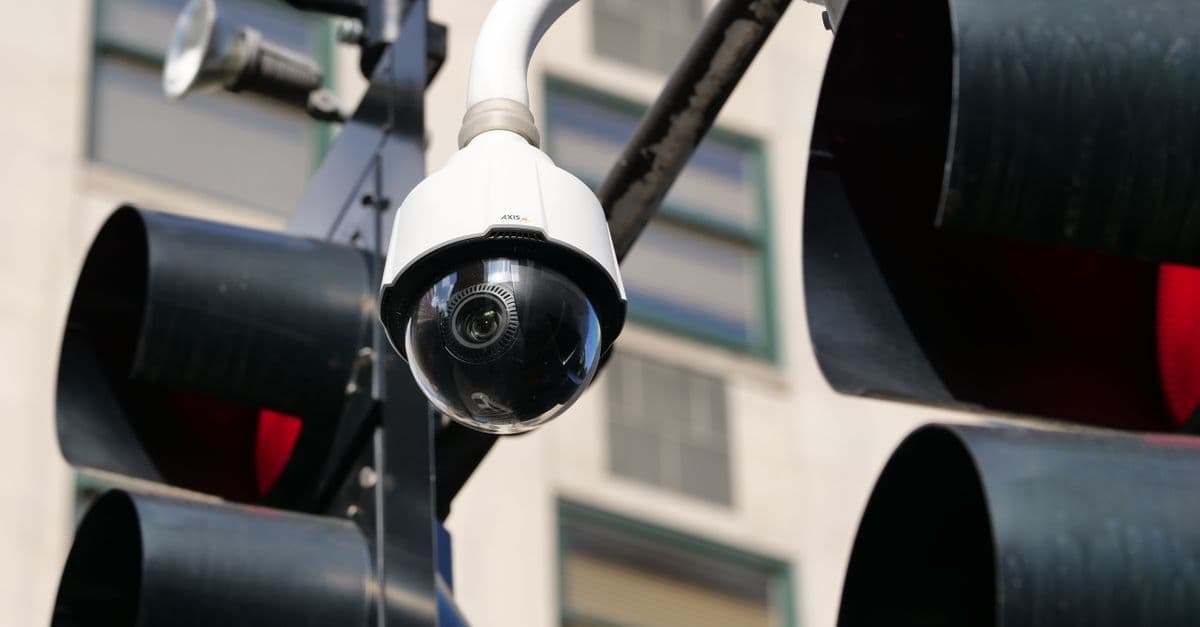
As commercial hubs across the UAE—from Dubai's bustling financial districts to Abu Dhabi's expanding industrial hubs—continue to push the boundaries of modern infrastructure, physical security systems are undergoing a radical transformation. Traditional lock-and-key setups and standalone ID badges are no longer sufficient for managing modern, high-density facilities. Today, artificial intelligence (AI) and the Internet of Things (IoT) are merging to build intelligent, automated, and highly responsive security environments.
Automated Video Analytics and Behavioral Surveillance
Modern surveillance has evolved far beyond basic motion-triggered video recording. Advanced computer vision algorithms can analyze live camera feeds in real time, pinpointing subtle behavioral anomalies such as lingering near sensitive perimeters, unauthorized entry attempts, or unusual traffic patterns. In high-density urban environments across Dubai and Abu Dhabi, these smart analytics significantly reduce human error and ensure security teams receive instant alerts before minor security incidents escalate.
Edge Computing and Connected IoT Devices
The expansion of IoT has interconnected access readers, environmental sensors, surveillance cameras, and door locks into a single cohesive network. By implementing edge computing, data processing occurs directly on or near the physical hardware rather than relying entirely on delayed cloud responses. This localized processing drastically reduces latency, enabling split-second automated actions when an unauthorized breach occurs. At Codeeotech, we recognize that reliable network integration and intelligent hardware deployment form the essential foundation of any modern smart building ecosystem.
Biometric Credentials and Mobile Access Control
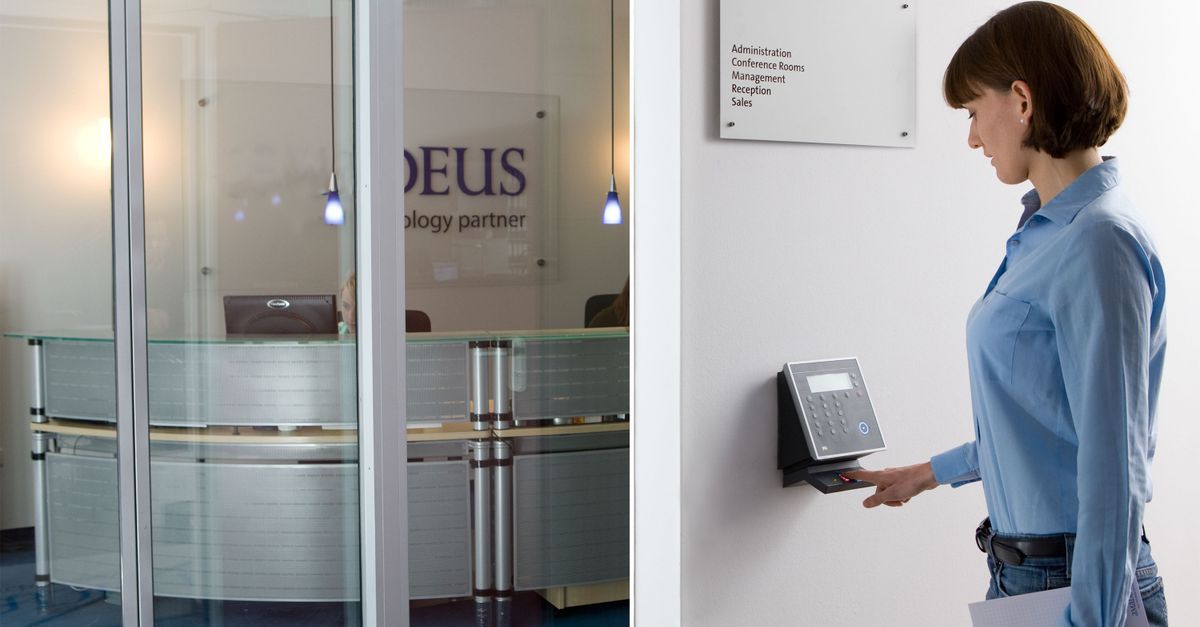
Physical keycards and numerical PIN pads are rapidly being replaced by contactless biometric identification and mobile credentials. Facial recognition cameras, fingerprint scanners, and smartphone-based digital keys offer far greater identity assurance while speeding up daily entry for staff and visitors. High-tech corporate towers in Abu Dhabi and commercial developments in Dubai are rapidly adopting these contactless technologies to deliver both elevated security and a smooth user experience.
Unified Security Ecosystems and Centralized Management
Rather than managing access control systems, video monitoring feeds, and visitor management logs through separate, disconnected software tools, modern enterprises are adopting unified security platforms. Combining these critical components into a central dashboard grants security administrators complete, real-time visibility over complex facilities. This integrated operational approach speeds up incident response times and simplifies management across multi-site developments throughout the region.
Predictive Threat Assessment and Proactive Risk Reduction
Next-generation security systems are shifting the industry focus from reactive incident logging to proactive risk prevention. By continuously analyzing access logs, sensor data, and video analytics, predictive security frameworks can detect operational vulnerabilities and abnormal activity patterns before security compromises happen. This intelligent foresight drastically cuts down on false alarms, eliminates coverage blind spots, and provides enterprise leaders across the region with total operational confidence.
Conclusion
The integration of AI algorithms and connected IoT hardware is fundamentally reshaping physical safety and access management for modern organizations across Dubai, Abu Dhabi, and the wider UAE. Replacing fragmented legacy equipment with unified, data-driven security architectures enables commercial enterprises to safeguard critical assets while maintaining efficient daily operations. As smart city initiatives continue to accelerate across the region, adopting intelligent security frameworks remains vital for any forward-looking business.